


Why Dust Keeps Coming Back Even After Cleaning and How Air Quality Systems Help
You vacuum, wipe surfaces, change sheets, and dust shelves, yet the dust returns within days. Many homeowners in Noblesville feel frustrated by this cycle and start to wonder if cleaning even works. Dust buildup rarely comes from poor housekeeping alone. Air movement, filtration gaps, and hidden airflow issues inside the home usually cause dust to settle again and again.
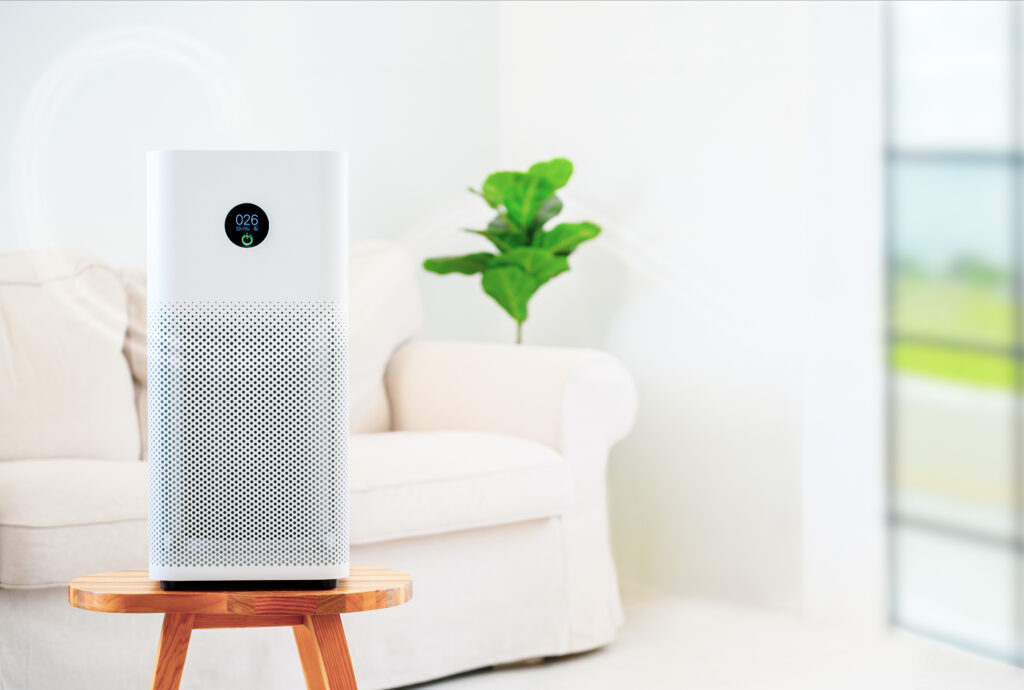
Dust travels through the air constantly. Every time your heating or cooling system turns on, it moves particles from one area to another. Furniture, flooring, and even walls act as landing spots for airborne debris. Without the right air quality support, dust continues to circulate and resettle no matter how often you clean.
Indoor air quality systems address the source of dust rather than the visible result. They help control how particles move, where they get trapped, and how clean air circulates through your living space. Understanding why dust returns and how air quality systems help gives homeowners real control over their indoor environment.
Where Household Dust Really Comes From
Dust inside a home contains more than dirt from outdoors. It includes fabric fibers, pet dander, pollen, skin flakes, and microscopic debris carried through the air. Even brand-new homes collect dust because normal daily activity releases particles into the air.
Heating and cooling systems pull air through return vents and push it back through supply vents. Without proper filtration, this cycle keeps dust in motion instead of removing it. Homes with open floor plans or multiple levels experience faster dust movement because air flows more freely between rooms.
Outdoor air also enters through doors, windows, and small gaps around the home. Each time someone enters or exits, tiny particles hitch a ride inside. Over time, these particles settle on surfaces unless something captures them midair.
Why Cleaning Alone Never Solves the Dust Problem
Cleaning removes dust that has already settled, but it does not stop new particles from circulating. Vacuuming lifts debris from floors, yet dust remains suspended in the air long after cleaning ends. That airborne dust eventually settles again, often within hours.
Traditional cleaning methods treat symptoms instead of the cause. Wiping surfaces addresses what you see, not what floats through your home every day. Even frequent cleaning schedules cannot keep up with constant air movement inside the house.
Homes with older HVAC systems or standard filters struggle more because basic filters only catch large debris. Smaller particles pass right through and return to living areas. Without better air control, dust continues its cycle no matter how clean the home looks.
How HVAC Airflow Affects Dust Movement
Airflow plays a major role in how dust spreads. Heating and cooling systems move air to regulate temperature, but that air also carries particles. Uneven airflow causes dust to gather in specific rooms or settle faster in certain areas.
Blocked vents, dirty ductwork, or unbalanced airflow push dust toward surfaces instead of into filters. Rooms with stronger airflow often show dust buildup faster because particles move through those spaces more often.
Air leaks inside ductwork also pull dust from attics, crawl spaces, or wall cavities. These hidden sources introduce debris that normal cleaning never reaches. Without proper sealing and filtration, dust enters the system repeatedly.
The Role of Air Filters in Dust Control
Air filters act as the first line of defense against airborne dust. Standard filters catch larger debris but allow fine particles to pass through. Those smaller particles cause most visible dust buildup because they stay airborne longer.
High-quality filters capture finer debris and reduce how much of dust that reaches living spaces. Filter quality matters as much as replacement timing. Old or clogged filters lose effectiveness and allow particles to bypass the system entirely.
Proper filter selection depends on system compatibility and household needs. Homes with pets, allergies, or heavy dust benefit from enhanced filtration. Clean filters improve airflow and reduce how much dust moves through the system each cycle.
How Whole-Home Air Quality Systems Help
Whole-home air quality systems go beyond basic filtration. These systems work with your HVAC setup to clean air continuously rather than only during cleaning sessions. They remove particles before dust settles on furniture or floors.
Air cleaners capture microscopic debris that standard filters miss. Some systems focus on particle removal, while others manage airflow and circulation. Cleaner air reduces visible dust and improves overall comfort.
These systems operate quietly in the background. Homeowners notice less dust buildup, fewer allergy symptoms, and fresher indoor air without extra effort. Air quality systems treat the cause of dust, not just the surface result.
Air Purification and Particle Control
Air purification systems trap airborne particles before they spread. These systems target fine debris that causes most dust-related frustration. Cleaner air stays suspended longer without settling on surfaces.
Purification systems help homes with high foot traffic, pets, or outdoor exposure. They reduce how much debris enters living spaces and limit recirculation. Over time, surfaces stay cleaner between regular cleaning sessions.
Cleaner air also protects HVAC components. Reduced debris keeps coils and fans cleaner, which supports better system performance and longer equipment life.
Humidity Balance and Dust Behavior
Humidity affects how dust behaves indoors. Dry air allows particles to stay airborne longer and travel farther. That leads to faster dust accumulation on surfaces.
Balanced humidity helps particles clump together, making them easier to capture by filters. Air quality systems often include humidity control to support dust reduction and comfort.
Proper humidity levels also reduce static buildup, which attracts dust to surfaces like electronics and furniture. Balanced air creates a healthier and more manageable indoor environment.
Signs Your Home Needs Better Air Quality Support
Certain signs point to air quality gaps beyond cleaning habits. Dust that reappears quickly after cleaning often signals filtration or airflow issues. Allergy symptoms indoors also suggest airborne debris problems.
Uneven dust patterns between rooms indicate airflow imbalance. Excess dust near vents points to filtration limits or duct leaks. Homes with frequent HVAC use often experience more dust without air quality support.
Air quality solutions address these problems directly and provide long-term improvement rather than temporary relief.
How Professional Evaluation Makes a Difference
A professional air quality evaluation identifies how dust moves through your home. Technicians inspect filters, ductwork, airflow balance, and system compatibility. This process reveals hidden contributors to dust buildup.
Customized solutions match the home’s layout, system type, and daily usage. That targeted approach delivers better results than generic upgrades.
Thornton Plumbing, HVAC & Electrical helps homeowners in Noblesville understand what drives dust issues and how air quality systems solve them effectively.
Frequently Asked Questions
Why does my home get dusty so fast, even after cleaning?
Airborne particles circulate constantly through HVAC airflow and settle again after cleaning without proper filtration.
Can air quality systems really reduce visible dust?
Yes. These systems remove fine particles before they settle, which keeps surfaces cleaner longer.
Do air purifiers work with existing HVAC systems?
Many whole-home systems integrate directly with existing equipment without major changes.
Does humidity affect how much dust I see?
Yes. Dry air allows dust to stay airborne longer, while balanced humidity helps capture particles.
How often should filters be changed to control dust?
Filter timing depends on usage, pets, and system type, but regular replacement supports better dust control.
Tired of constant dust buildup? Thornton Plumbing, HVAC & Electrical improves indoor air comfort for Noblesville homes. Call 317-697-9265 to schedule an air quality evaluation today.