


Basement Flood Water Removal in Noblesville, IN and Surrounding Areas
Thornton Plumbing HVAC and Electrical provides emergency basement flood water removal throughout Noblesville, IN and the surrounding Hamilton County area. Licensed under Indiana Plumbing License PC11500008, fully bonded and insured, and BBB A+ rated since 2006, our licensed plumbers respond to flooded basements with a safety-first process: confirming electrical hazards are controlled, extracting standing water, and identifying and repairing the plumbing or sump system failure that caused the flooding in the first place. The White River at Noblesville set a new 100-year record crest in August 2026, and hundreds of Hamilton County basements took on water, many for the first time in the property’s history. Whether the cause is a failed sump pump, a burst supply line, a sewer backup, or groundwater pushing through the foundation, mold risk begins within 24 to 48 hours of water exposure, which makes response time the single most important factor in limiting the damage. Call 317-697-9265 for 24/7 emergency basement flood water removal anywhere in Noblesville.
They got the job done professionally and efficiently

Why Response Time Matters More Than Almost Anything Else
According to U.S. Environmental Protection Agency guidance, mold can begin growing on porous materials within 24 to 48 hours of water exposure. That narrow window is the reason a basement flood is treated as an emergency rather than something that can wait until a convenient time. Every hour that standing water sits against drywall, framing, insulation, and flooring increases both the extent of material damage and the likelihood that a water removal job becomes a mold remediation job. Thornton provides 24/7 emergency dispatch specifically because basement flooding does not follow business hours, and the water does not wait either.
Understanding What Kind of Water Is in Your Basement
The water damage industry classifies flooding using the IICRC S500 standard, which sorts every water loss into one of three categories based on contamination level. Understanding which category applies to your basement affects what can be dried in place and what needs to be removed.
Category 1: Clean Water
Clean water comes from a sanitary source such as a broken supply line or a water heater connection failure. It is the least contaminated category and the best-case scenario for a basement flood, though it still degrades the longer it sits untreated.
Category 2: Gray Water
Gray water carries meaningful contamination and typically originates from sources such as a washing machine overflow, a dishwasher discharge, or a sump pit that has held standing water for an extended period. Materials affected by gray water generally require cleaning and treatment rather than simple drying.
Category 3: Black Water
Black water is grossly contaminated water, including sewage backups and floodwater from outside the home carrying soil, chemicals, and biological contamination. Category 3 water requires the most cautious handling, and porous materials that contact it, including carpet, drywall, and insulation, generally cannot be salvaged.
Thornton addresses the plumbing source and water extraction across all three categories. For extensive Category 2 or Category 3 losses requiring full IICRC-certified structural drying and mold remediation at scale, Thornton coordinates with certified restoration partners while handling the plumbing repair and pump work directly.
Basement Flood Water Removal Services We Provide
Emergency Water Extraction
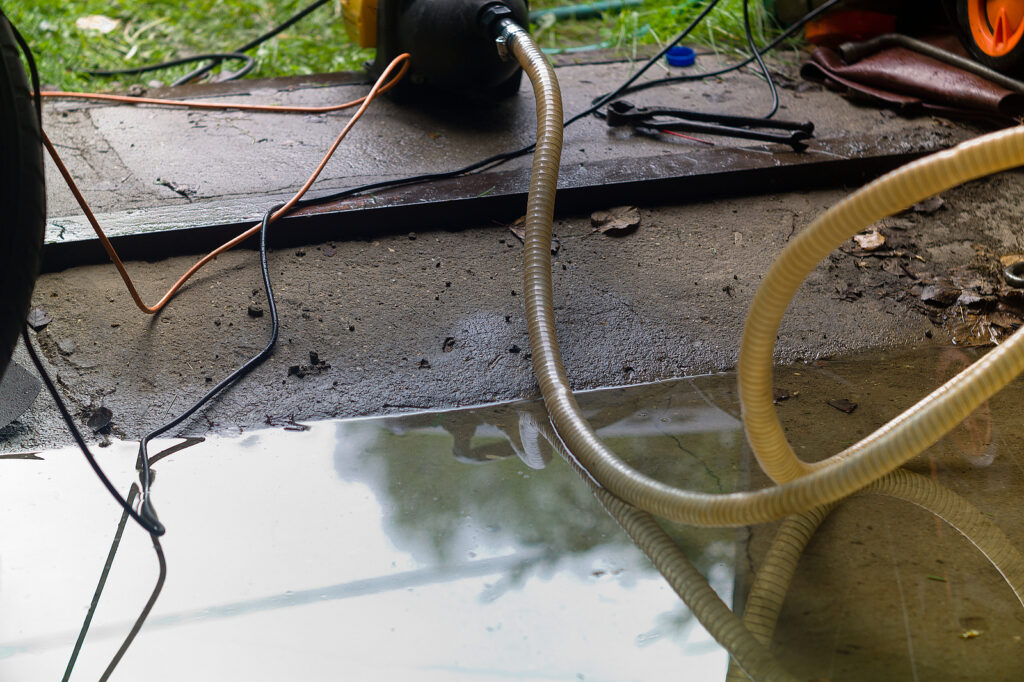
Thornton uses professional pump and extraction equipment sized to the volume of water present to remove standing water from the basement as quickly as safety allows. Extraction begins only once the space has been confirmed clear of electrical hazards.
Sump Pump Diagnosis and Repair
Sump pump failure is the most common cause of basement flooding Thornton responds to in Noblesville, particularly during storm-driven power outages when a primary pump has no battery backup. Thornton diagnoses why the pump failed, whether from a seized motor, a stuck float switch, a lost discharge line, or simple lack of backup power, and completes the repair or replacement needed. See our sump pump services and dedicated battery backup installation service for more detail.
Burst Pipe and Supply Line Repair
When a basement flood originates from an internal plumbing failure rather than external water, Thornton repairs the specific pipe, fitting, or connection that failed as part of the same emergency visit. For homes with recurring or widespread pipe issues beyond the immediate flood, Thornton also evaluates whether broader repiping is warranted.
Sewer Backup Response
A sewer backup is a Category 3 event that requires stopping water use in the home to avoid adding volume to the blocked line, extracting the contaminated water, and evaluating the sewer line itself. Thornton uses camera inspection and, where appropriate, hydro jetting or trenchless repair to address the underlying line condition that caused the backup.
Post-Flood Plumbing System Evaluation
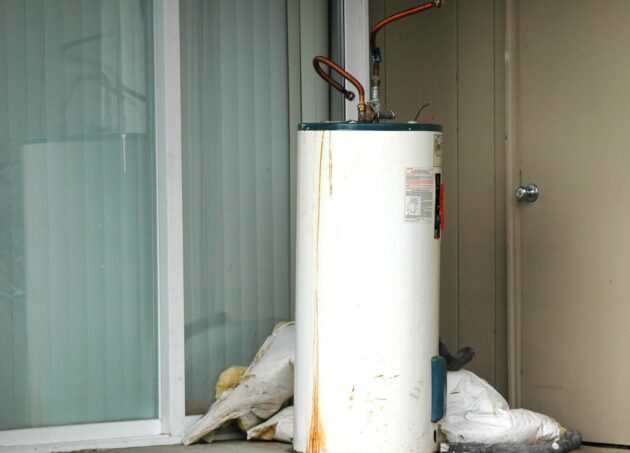
After the immediate water is addressed, Thornton evaluates whether the water heater, sump pump capacity, and drainage system are adequate for the property’s actual flood risk, particularly for Noblesville homes that experienced flooding for the first time during the August 2026 White River event. A water heater that sat in floodwater generally needs replacement rather than repair; see our dedicated water heater flood damage guidance for that specific situation.
The Safe Order of Operations for a Flooding Basement
- Confirm electrical safety first. Do not enter standing water that is touching outlets, cords, appliances, or the electrical panel.
- Shut off power to the affected area at the main breaker from a dry, accessible location if it is safe to reach.
- Shut off the main water supply if an internal plumbing failure appears to be the source.
- Call Thornton at 317-697-9265 for emergency water removal and source diagnosis.
- Photograph standing water and visible damage for insurance documentation, if it is safe to do so, before cleanup begins.
- Avoid plugging any equipment into outlets in the affected area until electrical safety is confirmed.
Why Noblesville Basements Flood
Hamilton County sits on clay-heavy glacial soil that absorbs and releases water slowly, meaning heavy or sustained rainfall keeps the ground saturated well after a storm passes. That saturation pushes groundwater through foundation cracks, window wells, and the cove joint where the foundation wall meets the slab, even in homes with no plumbing failure at all. A sump pump system sized and maintained for this actual condition, including battery backup power for storm-driven outages, is the primary line of defense. The August 2026 flooding pushed the White River at Noblesville to a new 100-year record crest, and many properties that had never previously experienced flooding took on water as a direct result of that saturation.
Why Noblesville Homeowners Choose Thornton for Basement Flood Response
| What We Offer | What It Means for You |
|---|---|
| Indiana Plumbing License PC11500008 | Licensed plumbers handling every aspect of your flood response |
| BBB A+ Rated Since 2006 | Third-party verified track record of quality, honest service |
| Fully Bonded and Insured | Zero liability for you during emergency response |
| 24/7 Emergency Dispatch | Response inside the critical 24 to 48-hour mold window |
| Safety-First Process | Electrical hazards confirmed and controlled before extraction begins |
| Source Correction Included | Sump pump and plumbing repair addressed, not just the water |
| Zoeller Sump Pumps Stocked On-Truck | Same-day pump replacement when the primary unit has failed |
| Restoration Partner Coordination | Larger Category 2 and 3 losses connected to certified remediation |
| Upfront Pricing Always | You know the full cost before any work begins |
Verify our license at the Indiana Professional Licensing Agency. Read reviews at the Better Business Bureau. If floodwater reached your electrical panel, see our companion electrical panel flood damage inspection service, since water and electrical safety go hand in hand in every basement flood response.
Frequently Asked Questions: Basement Flood Water Removal in Noblesville, IN
What does Thornton do when it arrives for basement flood water removal?
Thornton’s first step at any flooded basement is a safety check: confirming the electrical panel and any submerged outlets are de-energized before anyone enters standing water. Once the space is safe, licensed plumbers begin pumping out standing water, identify and stop the source of the intrusion, whether that is a failed sump pump, a burst pipe, a sewer backup, or groundwater infiltration, and evaluate what plumbing repair or sump system work is needed to prevent the water from returning.
Is it safe to walk into a flooded basement before the water is removed?
Not until the electrical panel and any submerged outlets are confirmed de-energized. Standing water in contact with an energized outlet, cord, or appliance creates a serious shock hazard. Shut off the main breaker from a dry, accessible location if it is safe to reach, or call Thornton for both water removal and a companion electrical safety evaluation before anyone enters the space.
What is the difference between clean water, gray water, and black water flooding?
The water damage restoration industry classifies flooding into three categories under the IICRC S500 standard. Category 1 is clean water from a sanitary source such as a supply line break. Category 2 is gray water with meaningful contamination, such as a washing machine overflow. Category 3 is black water, grossly contaminated water including sewage backups and rising floodwater from outside the home. The category present in your basement affects what can be dried in place and what needs to be removed and discarded.
Does Thornton remove Category 3 black water from a flooded basement?
Thornton removes standing water and addresses the plumbing source across all three categories, including active sewage backups and floodwater intrusion. For extensive Category 2 or Category 3 losses that require full IICRC-certified structural drying, mold remediation, and material disposal at scale, Thornton can advise on next steps and coordinate with a certified restoration partner. Thornton’s core scope is rapid water extraction and correcting the plumbing or drainage problem that caused the flooding.
How quickly does mold start growing after a basement floods?
According to EPA guidance, mold can begin growing on porous materials within 24 to 48 hours of water exposure. This is why rapid water extraction matters more than almost any other step in basement flood recovery. The longer standing water and saturated materials sit, the more the situation shifts from a water removal job to a mold remediation job.
What usually causes basement flooding in Noblesville homes?
Sump pump failure is the most common cause of basement flooding Thornton responds to in Noblesville and Hamilton County, particularly during power outages when a primary pump has no battery backup. Other common causes include heavy rainfall overwhelming the drainage system around the foundation, a burst or leaking supply line, sewer backups during high-volume storm events, and groundwater infiltration through foundation cracks during periods of saturated soil.
Does Thornton pump out water and also fix the sump pump that failed?
Yes. Thornton’s basement flood response addresses both sides of the problem in the same visit whenever possible: removing the standing water that has already accumulated, and diagnosing and repairing or replacing the sump pump, discharge line, or check valve that failed and allowed the flooding to happen. Addressing only the water without correcting the pump leaves the basement vulnerable to the same failure during the next storm.
What is a sump pump battery backup and why does it matter after a flood?
A sump pump battery backup is a secondary pump powered by a dedicated battery that activates automatically when the primary pump loses utility power or fails mechanically. Since Indiana storms that produce heavy rain are also the storms most likely to cause power outages, a primary pump with no battery backup is most likely to fail at the exact moment it is needed most. Thornton installs battery backup systems as part of basement flood prevention. See our dedicated sump pump battery backup installation service for details.
How does Thornton handle a basement flood caused by a sewer backup?
A sewer backup is treated as a Category 3 black water event, which requires different handling than clean water intrusion. Thornton shuts off water use in the home to stop adding volume to the backed-up line, extracts the contaminated water, and evaluates the sewer line for the blockage or failure that caused the backup, which may include camera inspection, hydro jetting, or trenchless repair depending on what is found. Porous materials that contacted sewage generally cannot be salvaged and should be discussed with your restoration or insurance contact.
Will Thornton coordinate with my homeowner insurance for a basement flood claim?
Thornton documents the condition found at the property, the water source identified, and the plumbing work performed, which supports your insurance claim whether you are working with standard homeowner coverage for an internal plumbing failure or a separate flood insurance policy for external flooding. Photographing standing water and visible damage before cleanup begins, and before Thornton arrives if it is safe to do so, strengthens the documentation available for your claim.
Does standard homeowner insurance cover basement flood water removal?
Coverage depends on the cause. Most standard homeowner policies cover sudden internal plumbing failures such as a burst pipe or a failed sump pump, subject to the specific policy terms. Flooding from external sources, including rising groundwater and storm-driven surface water, typically requires separate flood insurance through the National Flood Insurance Program or a private flood carrier. Thornton is not an insurance advisor and recommends confirming specific coverage details directly with your carrier.
How long does basement water removal take?
Water extraction itself typically takes a few hours depending on the volume of standing water and the size of the basement. The plumbing repair needed to stop the source, such as sump pump replacement or pipe repair, is often completed in the same visit. Full structural drying to bring the space back to a safe moisture level, which is a separate process from extraction, can take several days with proper air movement and dehumidification.
Can I run a dehumidifier in my basement right after the water is pumped out?
A dehumidifier is a useful tool for drying a basement after standing water is removed, provided the outlet powering it is confirmed safe and not one that was submerged during the flood. If the basement’s electrical circuits were affected by the flooding, have them evaluated before plugging in any equipment, including a dehumidifier, air mover, or shop vacuum, into an outlet in the affected area.
Does Thornton provide 24/7 emergency basement flood response in Noblesville?
Yes. Basement flooding is a time-sensitive emergency given the 24 to 48 hour mold growth window on affected materials, and Thornton provides 24/7 emergency dispatch throughout Noblesville and the surrounding Hamilton County area. Call 317-697-9265 any time water is actively accumulating in your basement.
Is Thornton licensed to perform basement flood water removal in Noblesville?
Yes. Thornton holds Indiana Plumbing License PC11500008, which is active and verifiable through the Indiana Professional Licensing Agency. All water extraction, sump pump work, and plumbing repair performed as part of basement flood response is completed by licensed plumbers under this license.
What should I do in the first ten minutes if my basement is flooding right now?
Do not enter the basement if water is touching outlets, cords, or the electrical panel. If it is safe to reach, shut off power to the affected area at the main breaker from a dry location. Shut off the main water supply if the source appears to be an internal plumbing failure. Call Thornton at 317-697-9265 for emergency dispatch. If safe, begin photographing the situation for insurance documentation while waiting for help to arrive.
Can groundwater flood a basement even without a plumbing failure?
Yes. Hamilton County’s clay-heavy glacial soil absorbs and releases water slowly, which means saturated ground after heavy or sustained rainfall can push groundwater through foundation cracks, window wells, and the joint where the foundation wall meets the floor slab, even when every pipe and fixture in the home is functioning normally. A sump pump system that is undersized or lacks battery backup is the primary defense against this type of flooding.
Does Thornton repair the source of the leak or just remove the water?
Both. Removing standing water without addressing the source, whether that is a failed pump, a cracked supply line, or a compromised sewer lateral, leaves the basement exposed to the same flooding event again. Thornton’s basement flood response is built around identifying and correcting the plumbing cause alongside the water extraction itself.
What plumbing repairs commonly follow a basement flood in Noblesville?
The most common follow-up repairs Thornton performs after a basement flood are sump pump replacement or battery backup installation, supply line or fitting repair where a burst pipe caused the flooding, sewer line evaluation and repair for backup-related floods, and water heater evaluation, since a water heater that sat in floodwater generally requires replacement rather than repair per manufacturer and industry guidance.
If my water heater was in the flooded basement, does it need to be replaced?
In most cases, yes. Industry guidance from water heater manufacturers and the Air-Conditioning, Heating and Refrigeration Institute states that a gas, oil, or electric water heater exposed to floodwater should be replaced rather than repaired, because internal components and insulation are contaminated in ways that cannot be reliably restored. See our dedicated water heater flood damage page for full detail on this specific situation.
Can Thornton evaluate whether my basement needs a sump pump upgrade after a flood?
Yes. A basement flood is often the clearest signal that the existing sump pump system was undersized, aging, or lacked battery backup protection for the water volume the property actually receives. Thornton evaluates pit size, pump capacity, discharge line condition, and backup power options as part of the basement flood response and recommends the system that matches your property’s actual drainage demand.
Does Noblesville’s August 2026 flooding affect how basement flood water removal is handled now?
The White River at Noblesville set a new 100-year record crest in August 2026, and many homes that had never previously flooded took on water for the first time. For those properties, a full evaluation of sump pump capacity, foundation drainage, and backup power is a reasonable step even after the immediate water is removed, since the property’s flood risk profile may be different than the original construction assumed.
What is the safest order of operations for a homeowner dealing with a basement flood?
Safety first: confirm electrical power to the flooded area is off before entering. Stop the source second: shut off the main water supply if an internal plumbing failure is the cause. Remove the water third: begin extraction as soon as it is safe, since mold risk begins within 24 to 48 hours. Document throughout: photograph standing water and damage for insurance before and during cleanup.
Can Thornton help if my basement floods every time it rains heavily, even without a single obvious failure?
Yes. Recurring basement flooding during heavy rain, without an obvious single point of failure, typically points to a sump pump system that is undersized for the property’s actual water table and drainage conditions, exterior grading that channels water toward the foundation, or a combination of both. Thornton evaluates the full picture rather than only responding to the immediate water.
Does Thornton work with restoration companies for larger basement flood losses?
Yes. For losses that involve extensive Category 2 or Category 3 contamination requiring full structural drying, mold remediation, and material replacement at scale, Thornton’s plumbing and water extraction work can be coordinated alongside a certified restoration partner’s remediation and rebuild scope. Thornton focuses on the water removal and the plumbing source; certified restoration partners handle IICRC S500 structural drying documentation and mold remediation to S520 standards when a loss requires that level of service.
How much water needs to be present before it is considered an emergency?
Any standing water in a basement that is actively accumulating, or water deep enough to touch electrical outlets, stored belongings, or finished flooring, warrants an emergency response rather than a wait-and-see approach. The 24 to 48 hour mold growth window applies regardless of the water depth, so responding promptly matters even for what seems like a minor amount of standing water.
Does a finished basement change how flood water removal is handled?
Yes. Finished basements in Noblesville, common in homes built during the area’s 1995 to 2015 construction period, have drywall, flooring, and often electrical circuits at floor level that are more vulnerable to water contact than an unfinished storage basement. Thornton adjusts the water removal and safety evaluation approach based on what is actually present in the space, and flags finished-space material concerns that may need separate restoration attention.
What tools does Thornton use for basement water extraction?
Thornton uses professional-grade pumps and wet vacuum extraction equipment sized for the volume of water present, sump pump diagnostic and repair tools, and moisture evaluation to confirm the extent of the affected area before repair work begins. Equipment selection depends on the water volume and the specific source identified during the initial evaluation.
Should I try to remove basement floodwater myself with a shop vacuum before calling a plumber?
If the water is shallow, clearly clean-water in origin such as from a known appliance overflow, and the electrical situation in the space is confirmed safe, limited self-extraction can be a reasonable first step. For any flooding involving more than a few inches of water, an unclear or contaminated source, or any uncertainty about electrical safety, waiting for a licensed professional is the safer choice given the shock hazard and the risk of missing the underlying cause.
How do I schedule basement flood water removal in Noblesville with Thornton?
Call 317-697-9265 for 24/7 emergency basement flood response in Noblesville and the surrounding Hamilton County area. A licensed Thornton plumber will arrive, confirm the space is safe to enter, extract standing water, identify the source of the flooding, and present a clear repair plan with upfront pricing before any additional work begins.
Schedule Emergency Basement Flood Water Removal Today