

How Indoor and Outdoor Pipe Repairs Differ in Scope and Risk
Pipe problems do not all follow the same pattern. A leak under a kitchen sink creates one kind of repair challenge. A broken water line in the yard creates another. Both situations involve damaged plumbing, but the scope, urgency, repair method, and risks can look very different.

Many homeowners assume a pipe is a pipe and the repair process stays about the same no matter where the damage happens. In real life, indoor and outdoor pipe repairs call for very different decisions. Indoor repairs often focus on protecting finishes, locating hidden moisture, and restoring daily use inside the home. Outdoor repairs often involve buried lines, shifting soil, drainage concerns, and possible disruption to landscaping or hard surfaces.
Understanding the difference helps homeowners act faster and make better decisions when problems appear. It also helps explain why one pipe issue may seem simple while another becomes a much larger project.
Why Pipe Location Changes the Entire Repair Plan
The location of the damaged pipe shapes everything that follows. A pipe behind a bathroom wall sits close to drywall, flooring, cabinets, and electrical lines. A pipe underground sits near soil, roots, concrete, or utility paths. That difference affects how technicians find the damage, how they access the line, and how they complete the repair.
Indoor pipe repair usually starts with protecting the house from further water damage. Water that leaks inside the structure can soak framing, insulation, flooring, and ceilings in a short amount of time. The longer that moisture stays hidden, the greater the chance of mold, staining, or wood damage.
Outdoor pipe repair often begins with locating the exact path of the line and checking how much surrounding material affects access. Water leaking outside may not damage drywall or flooring, but it can erode soil, weaken nearby surfaces, create muddy areas, and affect the home’s water supply.
The pipe location changes the risk, and the risk changes the repair strategy.
Indoor Pipe Repairs Often Involve Hidden Moisture
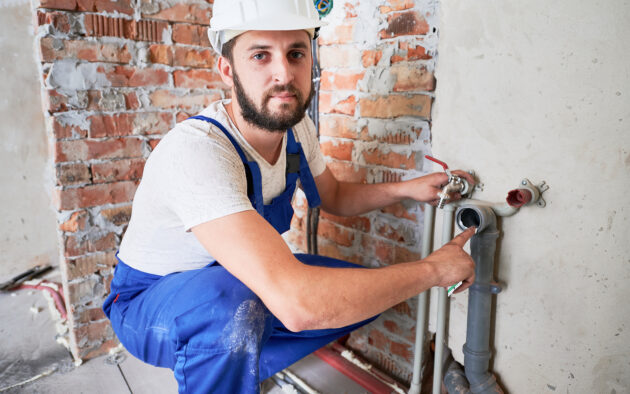
Indoor plumbing leaks do not always announce themselves with a burst pipe and standing water. Many indoor pipe problems start quietly. Homeowners may notice a damp cabinet floor, bubbling paint, a ceiling stain, warped trim, or a musty smell in one room. Those signs often mean water has already been escaping for some time.
That is one of the biggest risks with indoor pipe issues. Damage often spreads before anyone sees the source. A small leak inside a wall can saturate insulation and framing. Water under the flooring can soften subfloors and loosen finishes. Ceiling leaks can travel across framing before they become visible below.
Indoor repairs often require more than replacing a damaged section of pipe. The surrounding area may need drying, cleanup, or inspection for moisture damage. That added scope makes indoor leaks especially important to address early.
Outdoor Pipe Repairs Bring Different Challenges
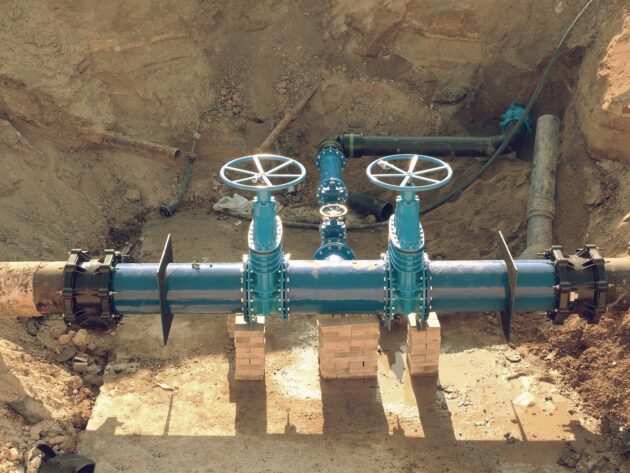
Outdoor pipe problems usually happen underground, which means access becomes a bigger part of the job. A damaged outdoor line may sit under grass, mulch, sidewalks, or driveways. In some cases, the repair area may sit close to roots, fences, or landscaping features.
Unlike indoor leaks, outdoor pipe failures often involve soil movement or water loss that affects the whole property. A broken water service line may reduce pressure inside the house or send water into the yard continuously. A damaged sewer line may create foul odors, soggy ground, or drainage trouble across multiple fixtures.
Outdoor repairs also carry a different kind of uncertainty. Buried lines may have shifted over time. Soil conditions may hide the full extent of the problem. Older homes may have pipe materials that react differently to age, moisture, and ground movement.
That is why outdoor pipe repair often requires careful locating, inspection, and planning before the actual repair begins.
The Risks to the Home Are Not the Same
Indoor and outdoor pipe failures create different risks, even if the leak size looks similar.
With indoor pipe damage, the biggest immediate concern often involves the structure and finishes inside the home. Water can affect:
- Drywall
- Cabinets
- Flooring
- Trim
- Ceilings
- Insulation
- Framing
That kind of damage grows fast because indoor materials are not built for constant moisture exposure.
With outdoor pipe damage, the concerns usually involve:
- Water pressure loss
- Foundation area saturation
- Soil erosion
- Yard flooding
- Driveway or walkway undermining
- Tree root interaction
- Sewer backup potential
Both situations matter, but they affect the property in different ways. Indoor damage often spreads quietly inside finished spaces. Outdoor damage may spread through the ground and affect larger areas before it becomes obvious.
Indoor Repairs Usually Focus on Fast Containment
When a pipe fails inside the house, the priority involves stopping active water damage. That may mean shutting off the local supply valve or the main water line, protecting nearby materials, and finding the exact point of failure quickly.
Access can become a major part of the repair. A plumber may need to open part of a wall, ceiling, or cabinet space to reach the damaged section. Once the repair is complete, the plumbing system still needs to be checked for pressure stability and proper flow.
Indoor pipe repairs often feel more urgent to homeowners because the damage happens where people live, cook, bathe, and store belongings. Even a repair that covers only a short pipe section may involve wider cleanup because the surrounding space matters just as much as the pipe itself.
Outdoor Repairs Often Require More Site Planning
Outdoor repairs usually involve more ground-level planning before any pipe work begins. The technician may need to identify the line path, check how deep the pipe sits, and decide whether excavation or a more limited access method makes the most sense.
Repairing a buried outdoor pipe often means balancing plumbing needs with property protection. The team may need to avoid damaging nearby structures, preserve important yard areas, or work around utilities and fixed surfaces.
In some cases, a short repair solves the issue cleanly. In others, the location or condition of the pipe may point to a broader problem, such as aging line material, repeated root intrusion, or ground-related wear. That is why outdoor repairs sometimes involve more planning than homeowners expect.
Indoor Pipe Materials and Outdoor Pipe Materials Age Differently
Pipe age and material matter in both settings, but the environment changes how pipes wear out.
Indoor pipes usually deal with pressure, temperature changes, and daily usage patterns. Their wear may come from corrosion, joint fatigue, hard water effects, or freeze damage in vulnerable areas.
Outdoor pipes face very different stress. Underground lines deal with soil conditions, root activity, moisture exposure, shifting ground, and seasonal freeze-thaw cycles. A pipe that performs well indoors may not face the same type of wear outside.
That is another reason indoor and outdoor repairs differ in scope. A pipe problem in one location may not mean the same thing in another. The plumber must evaluate not just the visible damage, but the surrounding environment that caused it.
Why Repeated Repairs Mean Different Things Indoors and Outdoors
A recurring indoor leak often points to localized problems such as worn fittings, material fatigue, or pressure issues in one section of the plumbing system. A recurring outdoor leak may point to a bigger line condition problem, pipe age, or ground-related stress affecting a larger run of pipe.
That difference matters because the long-term solution may change. For indoor issues, one targeted repair may solve the problem completely if the rest of the line remains in strong condition.
For outdoor issues, repeated repairs on the same line may suggest the pipe has reached a point where patchwork no longer makes sense. In those cases, broader replacement planning may offer a more dependable result.
Warning Signs Look Different Indoors and Outdoors
Homeowners often recognize indoor pipe trouble through visual signs inside the home. These may include stains, warped flooring, damp drywall, or dripping sounds.
Outdoor warning signs often show up as:
- Soggy patches in the yard
- Unusually green grass in one area
- Low water pressure indoors
- Water is pooling near the foundation
- Sewer odors outside
- Slow drains across the house
- Sudden unexplained water bill increases
Knowing the difference helps homeowners respond before the damage spreads further.
Why Professional Inspection Matters in Both Cases
Pipe repair is not just about stopping the current leak. It is about understanding why the failure happened and whether nearby sections of pipe face the same risk.
A professional inspection helps answer questions such as:
- Is this an isolated failure or part of a larger issue?
- Did corrosion, pressure, age, or movement cause the damage?
- Does the surrounding area need additional protection?
- Is the current repair enough, or will the problem likely return?
Those questions matter indoors and outdoors, but the answers often differ based on location. That is why experienced evaluation is so important.
The Best Repair Approach Depends on the Bigger Picture
Indoor and outdoor pipe repairs may both solve plumbing failures, but they do not follow the same path. Indoor problems often demand fast containment and moisture protection inside finished spaces. Outdoor problems often require buried line evaluation, property planning, and a wider view of how the pipe interacts with the ground and overall system.
Homeowners in Noblesville and surrounding areas benefit most when pipe issues are addressed with the right strategy for the location, not just a quick patch. A repair that fits the real situation protects the home better and lowers the chance of repeat trouble.
FAQs
Are indoor pipe repairs usually more urgent than outdoor ones?
Indoor repairs often feel more urgent because water can quickly damage walls, floors, cabinets, and ceilings.
Can an outdoor pipe leak affect water pressure inside the house?
Yes. A damaged outdoor water line can reduce pressure throughout the home.
Why do outdoor pipe repairs sometimes take more planning?
Outdoor pipes are often buried under soil, landscaping, driveways, or walkways, so access and line location matter more.
Do indoor leaks always show visible water right away?
No. Many indoor leaks stay hidden behind walls, under floors, or above ceilings before visible signs appear.
Can repeated outdoor pipe problems mean the full line needs more attention?
Yes. Repeated outdoor leaks may point to aging pipe material or a larger problem along the line.
Thornton Plumbing HVAC and Electrical helps homeowners in Noblesville handle indoor and outdoor pipe repairs with confidence. Call 317-697-9265 today.